Effective Pest Removal in Largo FL: Why DIY Isn’t Always the Best Option

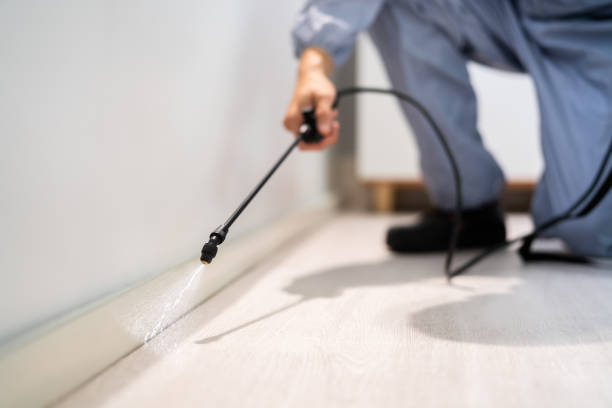
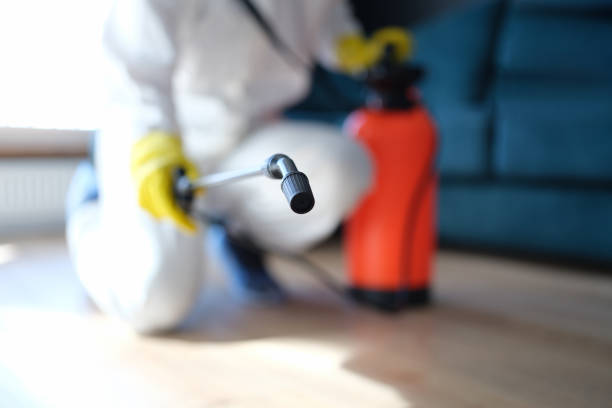
Prevention of spread of virus and rodents indoors Prevention of spread of virus and rodents indoors. Disinfectant in protective suit and mask sprays disinfectants in home or office concept rodents removal stock pictures, royalty-free photos & images

Pests can invade your home or business, often without you realizing the extent of the problem until it’s too late. Identifying early warning signs not only prevents damage but also saves you from costly treatments later. Below are the top 10 signs that it may be time to call a professional pest control service.

One of the clearest indicators of a pest problem is spotting droppings or fecal matter. Rodents, cockroaches, and other pests leave these behind as they move through your property. Always take note of their size and quantity to help identify the pest species.

Hearing scratching, rustling, or scurrying sounds in walls, ceilings, or attics is often a sign of rodents like rats or mice. These noises are usually more noticeable at night when pests are most active.

Rodents have a constant need to chew to keep their teeth sharp and manageable. Chewed wires, furniture, or even food packaging are telltale signs of an infestation.

Finding shredded paper, fabric pieces, or other materials grouped together could indicate that pests like rodents have built nests on your property.

Spotting an unusual number of dead insects in places like window sills or near light fixtures might suggest an infestation somewhere inside your home.

Pest Type Likely Nesting Area Common Signs
Rodents Walls/Attics Droppings & gnaw marks
Termites Wooden structures Hollow-sounding wood
Cockroaches Kitchens/Bathrooms Fecal matter & egg cases

Many pests are nocturnal and prefer to stay hidden during daylight hours. Seeing live cockroaches, ants, or rodents out in the open during daytime suggests a severe infestation that requires immediate attention.

Pests can produce distinct odors due to urine, droppings, or decaying bodies trapped within walls and crawlspaces.
– A musty smell may indicate cockroaches. – Ammonia-like odors could mean rodent urine. – Rotting smells might point toward dead animals within your property.

Outdoor pests such as aphids, caterpillars, and beetles can wreak havoc on gardens by chewing through leaves and stems.

Key Indicators:
– Wilting plants despite proper watering. – Holes chewed into foliage. – Sticky residue on leaves (a sign of sap-sucking insects).

If you’ve tried store-bought sprays or traps but notice no improvement—or worse—more pests appearing afterward, it’s likely time for professional help.

Termites are notorious for causing severe damage to wooden structures over time by burrowing through beams and floors undetected until significant harm has been done.

Warning Signs Include: – Sagging floors – Hollow-sounding wood – Cracks in paint caused by termite tunnels beneath surfaces

If you notice one or more of these signs in your home or business, contacting a licensed pest control company is essential for proper diagnosis and treatment tailored to your situation. Early intervention minimizes risks while ensuring long-term protection against further infestations.

DIY vs. Professional

When it comes to managing pest infestations, homeowners are often faced with a critical decision: should they tackle the problem themselves or hire professional pest control services? While both approaches have their merits, several factors should be considered when determining the best option for your home. Below, we break down key aspects of DIY and professional pest control to help you make an informed choice.

DIY pest control may appeal to homeowners who prefer a hands-on approach or wish to save money.

  • Cost-Effective Solutions: Over-the-counter pesticides and traps are often less expensive upfront than hiring professionals.
  • Quick Accessibility: DIY products are readily available in local stores and online, allowing you to address minor infestations promptly.
  • Control Over Methods: With DIY solutions, you can experiment with various methods that suit your preferences or ethical considerations (e. g. , eco-friendly options).
  • Learning Experience: Managing pests yourself can teach you valuable skills about prevention and detection.

However, there are limitations to DIY solutions that homeowners should keep in mind.

Finding the Best Exterminator Largo FL for Your Pest Control Needs

While cost-effective and convenient for smaller problems, DIY methods might not always be sufficient for larger infestations or complex issues.

Challenge Explanation
Limited Effectiveness Store-bought products may not work against severe or well-established infestations.
Safety Concerns Improper handling of chemicals can pose risks to pets, children, and the environment.
Lack of Expertise Misidentifying pests or their source can result in ineffective treatments.
Time Investment Extensive research and regular monitoring may be required for sustained results.

Benefits of Professional Pest Control Services Largo FL

Professional pest control services offer expertise that ensures long-term results while minimizing risks associated with handling hazardous chemicals improperly.

  • Thorough Inspection & Identification: Experts can correctly diagnose the type, source, and severity of your infestation.
  • Specialized Tools & Treatments: Professionals use industry-grade products and advanced techniques unavailable in retail stores.
  • Customized Plans: A tailored treatment plan addresses specific issues in your home while considering environmental factors.
  • Long-Term Prevention: Many companies provide follow-up visits or warranties to ensure pests do not return.

When Should You Opt for Professional Services?

  1. Large-scale infestations (termites, bedbugs) where pests multiply rapidly.
  2. Health-related risks from pests like rodents or cockroaches.
  3. Structural damage caused by wood-destroying insects such as termites.
  4. Persistent problems despite repeated attempts at using store-bought remedies.

Making the Decision

Factor When to Choose DIY When to Choose Professionals
Infestation Size Minor/localized Severe/widespread
Budget Constraints Limited funds Willingness to invest in long-term results
Time Availability Flexible schedule Limited time
Knowledge/Experience Familiarity with safe practices Prefer expert handling

Ultimately, addressing household pests effectively requires weighing costs against benefits while considering safety and long-term prevention goals.

DIY vs. Professional

When it comes to pest control, homeowners are often faced with a critical decision: Should they handle the problem themselves or call a professional pest control service? Both approaches have their advantages and drawbacks, depending on factors such as the type of infestation, budget, severity of the problem, and long-term goals. Below is a detailed comparison to help you make an informed choice.

Pros and Cons of DIY Pest Control

Advantages:
Cost-Effective: DIY methods typically involve purchasing over-the-counter sprays, traps, or baits, which are usually less expensive than hiring professionals.Immediate Action: You can address minor pest issues quickly without waiting for an appointment.Control Over Products Used: You choose the chemicals or natural remedies used in your home.

Disadvantages:
Limited Knowledge: Without proper training, it’s easy to misidentify pests or underestimate the severity of an infestation.Ineffectiveness for Severe Infestations: DIY solutions often fall short when dealing with large-scale infestations such as termites or bed bugs.Health Risks: Incorrect handling of pesticides can pose health risks to humans and pets.

Pros and Cons of Professional Pest Control

Advantages:
Expert Knowledge and Training: Professionals are skilled in identifying pests accurately and applying targeted treatments.Comprehensive Solutions: They offer long-term prevention plans rather than just addressing surface-level issues.Access to Specialized Tools and Products: Professionals use equipment and chemicals not available to the general public, resulting in more effective pest eradication.

Disadvantages:
Higher Cost Upfront: Professional services often require a larger financial commitment initially.Schedule Dependency: Services may require you to wait for availability based on their schedule.Chemical Use Concerns: Some homeowners worry about exposure to certain pesticides used by professionals.

Factors to Consider When Choosing Between DIY and Professional Solutions

Factor DIY Pest Control Professional Pest Control
Severity of Infestation Suitable for small-scale problems Essential for large-scale infestations
Cost Low initial cost Higher upfront cost
Time Commitment Requires personal time investment Saves time with expert handling
Safety Potential health risks if mishandled Safer due to trained application

Combining Both Approaches

In some cases, a hybrid approach may be best. For example: 1. Use DIY methods like traps or natural repellents for minor issues while monitoring whether pests return. 2. Call in professional services for regular inspections or when signs indicate a growing infestation (e. g. , termite damage).

By evaluating your specific situation carefully, you can select an approach tailored to your needs while maintaining a healthy living environment.

man chose to use exterminate chemicals Termites that are not toxic to humans are mixed with water in a tank for spraying Exterminate termites allow young men to spray termites themselves by himself stock photo

Preventing Common Pest Infestations: Tips for a Safer and Cleaner Environment

By taking proactive steps to deter infestations, you can avoid the inconvenience, health risks, and property damage that pests can cause. Below are practical tips and insights to help prevent common pest problems.

Maintain Cleanliness in Your Environment

Pests thrive in areas where food, water, and shelter are readily available. By maintaining cleanliness in your home or workplace, you remove the conditions that attract them.
Kitchen hygiene:


– Empty garbage bins frequently and keep them sealed with tight-fitting lids.

  • Clean pet feeding areas immediately after use to avoid attracting rodents or insects.

Seal Entry Points

Pests often enter buildings through small cracks and openings around doors, windows, or utility lines.
– Inspect exterior walls for gaps around pipes, vents, or cables and seal them with caulk or foam insulation.
– Install weather stripping around doorframes and windowsills to close off gaps that allow entry for insects like spiders or even larger intruders such as mice.

Common Entry Point Effective Solution
Cracks in foundation Use concrete filler
Gaps under doors Install door sweeps
Holes near utility lines Apply silicone caulk

Eliminate Standing Water Sources

Standing water provides a breeding ground for mosquitoes and creates moisture-rich environments preferred by many pests like termites or silverfish.
– Fix leaking faucets or pipes promptly. – Ensure proper drainage around your home’s foundation. – Empty items like flower pot saucers, buckets, or outdoor toys that collect rainwater.

Regular Landscaping Maintenance

Unkempt yards can be an open invitation for pests.
– Trim shrubs away from exterior walls to prevent direct contact with potential pest harborage areas. – Remove piles of wood, leaves, or other organic debris where rodents and insects may nest. – Keep grass well-manicured to reduce hiding spots for crawling insects.

Store Items Properly

Improper storage practices can attract pests into less-used spaces like basements, attics, garages, or pantries: – Use plastic bins instead of cardboard boxes when storing items long-term. – Elevate stored goods off the floor using shelves to discourage nesting.

Schedule Routine Inspections

Even with preventive measures in place, it’s wise to conduct regular inspections of your home: 1. Look out for common signs of infestation (e. g. , droppings, gnaw marks). 2. Monitor high-risk areas such as attics/basements quarterly. 3. Call professionals if you notice any concerning signs early on.

By implementing these preventative strategies consistently over time — from eliminating food sources to blocking entry points — you’ll create an environment that’s less inviting for unwanted pests while promoting safety within your property.

How Professional Pest Control Can Save You Time, Money, and Stress

Dealing with pests is not only inconvenient but also time-consuming and potentially costly if not addressed effectively. Engaging professional pest control services can provide a more efficient and long-term solution compared to attempting to handle infestations on your own. Below, we explore how relying on experts can save you time, reduce expenses, and alleviate the stress associated with pest problems.

Saving Time Through Expertise

One of the key advantages of hiring professional pest control services is their ability to quickly identify and resolve issues.
Diagnose infestations promptly: Experts can pinpoint the type of pest, assess the level of infestation, and recommend appropriate treatments faster than a DIY approach.
Use tailored treatment plans: Professionals apply precise methods suited to your specific infestation type, ensuring faster resolution.
Prevent repeat treatments: Their specialized knowledge helps address root causes, reducing the need for frequent re-applications.

In contrast, DIY strategies often involve trial-and-error efforts that consume valuable time without guaranteeing results.

Financial Benefits of Professional Pest Control

While hiring professionals may seem like an upfront expense, it often proves cost-effective in the long run due to several factors:
1.Prevention of structural damage: Certain pests like termites or rodents can cause significant damage to property over time. Professionals tackle infestations early before costly repairs are needed.
2.Efficient use of resources: Instead of purchasing multiple over-the-counter products that may not work effectively, professionals use proven solutions tailored to your problem.
3.Reducing health risks: Pests such as cockroaches or rodents carry harmful bacteria that can lead to medical expenses if left unchecked. Proper control mitigates these risks.

Approach Upfront Cost Long-Term Cost (including damages) Effectiveness
DIY Pest Control Low High (due to potential property damage) Varies
Professional Pest Control Moderate Low High

Stress Reduction Through Effective Solutions

Pest infestations can be overwhelming due to their impact on hygiene and comfort within your home or business.
Comprehensive inspections: Experts thoroughly assess your property for current and potential problems.Customized treatment plans: Tailored solutions ensure better outcomes with minimal disruption to daily life.Peace of mind: Knowing that experienced technicians are handling the issue allows homeowners and business owners alike to focus on other priorities.

Long-Term Prevention Strategies

Another advantage professionals offer is their ability to implement preventive measures that safeguard against future infestations, such as: – Sealing entry points like cracks or gaps around windows and doors. – Providing advice on proper storage practices for food and waste management. – Using environmentally friendly treatments that deter pests while protecting surrounding ecosystems.

By investing in professional pest control services, you gain access to expertise that not only eradicates current infestations but also prevents recurring issues—all while saving you valuable time, money, and reducing unnecessary stress levels in maintaining a safe environment for everyone involved.

Top Mistakes to Avoid When Dealing With Pest Problems in Your Property

Addressing pest problems requires careful planning and execution to ensure the issue is resolved effectively. Unfortunately, many property owners unknowingly make mistakes that can exacerbate the situation or lead to recurring infestations. Below are some common errors to watch out for and tips on how to avoid them.

Neglecting Early Warning Signs

One of the biggest mistakes people make is ignoring the early signs of a pest infestation. Delaying action allows pests to multiply, making the problem more severe and harder to resolve.

Signs of early pest activity include:
– Unusual droppings or stains on surfaces
– Chewed wires, furniture, or food containers
– Strange noises in walls or ceilings (e. g.
– Unpleasant odors from hidden nests or infestations

Regularly inspect your property for these indicators and contact a professional promptly if you notice anything unusual.

Overreliance on DIY Methods

While do-it-yourself pest control techniques may seem cost-effective, they often fail to address the root cause of infestations. Many DIY solutions offer only temporary relief and may even worsen the situation by driving pests deeper into hard-to-reach areas.

Why professional services are more effective:
| DIY Pest Control | Professional Pest Control |
|——————————–|—————————————|
| Provides short-term solutions | Targets root causes for long-term results |
| Limited product knowledge | Uses specialized treatments |
| Risk of incorrect application | Licensed experts ensure safe practices |

Using Incorrect Products or Techniques

Applying pesticides improperly can pose health risks to humans, pets, and plants while failing to eradicate pests effectively. Overuse of certain chemicals can also lead to pesticide resistance among pests over time.

Tips for safe product use:
– Always read and follow label instructions carefully. – Avoid using outdoor pesticides indoors. – Store chemicals out of reach from children and pets. – If unsure about product selection, consult with a licensed exterminator.

Failing To Seal Entry Points

Pests often enter through small cracks, holes, or gaps around windows, doors, foundations, and utility lines. Ignoring these vulnerabilities leaves your home open for future infestations.

Steps to seal entry points effectively:1. Inspect the exterior of your property for gaps. 2. Use caulk or foam sealant for small cracks. 3. Install weatherstripping under doors. 4. Place mesh screens over vents and chimneys.

Not Scheduling Regular Inspections

Even after resolving an infestation, ongoing prevention is crucial in keeping pests at bay. Skipping routine inspections can lead to unnoticed reinfestations over time.

Benefits of regular inspections:– Early detection prevents costly damage. – Ensures long-term pest management success. – Maintains a safe living environment year-round.

By avoiding these common pitfalls when handling pest issues in your property, you’ll save time, reduce stress, and safeguard your space against future invasions effectively.


Early Warning Indicators You Need a Largo FL Pest Control Company to Protect Your Home

Man spraying insecticide on grass in lawn. stock photo

Pests can cause significant damage to your property and pose health risks to your family. Identifying the early signs of a pest problem is critical in preventing an infestation from escalating. Here are some key indicators that you may need pest control services, along with actionable advice to protect your home.

Physical Evidence of Pests

One of the most obvious signs of a pest issue is finding physical evidence around your home.
Droppings or Urine Stains: Rodents like mice and rats often leave behind small black droppings that resemble grains of rice. Cockroach droppings can appear as dark, coffee-ground-like specks.Shed Skin or Exoskeletons: Insects such as bed bugs and cockroaches shed their skin as they grow.Chewed Materials: Rodents may gnaw on wires, furniture, cardboard, or even baseboards.

If you notice any of these signs, it’s essential to act promptly by identifying the type of pest and assessing the extent of the infestation. Delaying action could allow pests to multiply rapidly.

Structural Damage

Pests not only invade living spaces but can also damage structural elements in your home.
Holes in Walls or Floors: Small holes may indicate rodents trying to burrow into hidden spaces. Termites might leave hollowed-out wood with a honeycomb appearance.
Chewed Wires: Mice and rats often gnaw on electrical wiring, which could potentially lead to fire hazards.Damaged Insulation: Some pests use insulation material for nesting purposes.

Regularly inspect these areas for wear and tear that seems out of place or unusual.

Unusual Sounds

If you hear scratching, squeaking, or scurrying sounds in walls, ceilings, or attics—especially at night—it may indicate pests like rodents or raccoons moving around undetected. Pay particular attention during quieter hours when these creatures are most active.

Foul Odors

Certain infestations produce distinct smells: – Rodent Infestations: A musky odor caused by urine buildup.Cockroach Infestations: An oily scent associated with their bodies and droppings.Dead Pests Decomposing: A strong foul smell could result from a dead animal trapped inside walls or vents.

Recognizing these odors early helps pinpoint where pests are hiding so proper steps can be taken.

Pest Nests

Visible nests are another strong indication you need pest control intervention: | Pest Type | Nest Location | Appearance | |———————|———————————|——————————–| | Rats/Mice | Garages, attics, basements | Shredded paper/material piles | | Wasps | Undereaves/outdoor structures | Round papery hives | | Termites | Wooden areas/crawl spaces | Mud tubes near foundations |

Never attempt to remove larger nests like wasp hives without professional help due to safety risks.

Increased Presence of Insects

If you’re seeing an uptick in insects such as ants crawling across kitchen counters or flies buzzing around waste bins despite regular cleaning efforts—this might suggest an underlying infestation issue requiring prompt attention from experts before it worsens further over time . Effective solutions include sealing entry points & routine vacuuming controlling food sources better .

By identifying these early warning indicators , homeowners stand better chances protecting properties against costly long-term damages while ensuring healthier living overall conditions

How to Spot an Infestation Early and Take Action with Pest Control Largo FL

Early detection of a pest infestation is vital for preventing significant damage to your home and ensuring the safety of your family. By recognizing the subtle signs of pests early, you can take timely measures to reduce their impact and avoid costly repairs or health risks. This guide will help you identify warning signs and determine when action is necessary.

Effective Pest Removal Largo FL: Common Signs of an Infestation

Pests often leave behind evidence of their presence before they become a widespread issue.

  • Droppings or Urine Stains
    Small droppings, pellets, or stains in corners, near baseboards, or inside cabinets could indicate rodents, cockroaches, or other pests.
  • Unusual Odors
    A musty or foul odor might suggest the presence of pests such as mice or rats. Dead insects or rodent nests can also cause unpleasant smells in hidden areas.
  • Damaged Materials
    Look for chewed wires, gnawed furniture, torn fabrics, or holes in walls. These are common indicators of pests like rodents and termites.
  • Unexplained Sounds
    Scratching noises in walls, ceilings, or attics often point to pests nesting within hidden spaces.
  • Visible Pests
    The appearance of live insects such as ants, cockroaches, bedbugs, or spiders during daylight hours may signify a larger problem.

Steps to Take When You Spot the Signs: Call an Exterminator Largo FL

  1. Determine what type of pest is causing the problem. This will help you choose the most effective treatment method.
  2. Use online resources or consult with a professional pest control service for accurate identification.
  3. Check all possible entry points such as cracks in windows and foundation walls.
  4. Inspect food storage areas like pantries for contamination.
  5. Examine less frequently visited spaces such as basements and attics.
  6. Store food in sealed containers to minimize access for pests.
  7. Remove clutter where pests might hide.
  8. Seal gaps around doors and windows with caulk or weatherstripping.
  9. For minor infestations: Use traps, baits, sprays, or natural deterrents like essential oils (e. g. , peppermint oil for spiders).
  10. For severe infestations: Contact licensed professionals who can apply advanced treatments safely.

Table: Pros & Cons of Immediate Action vs Delayed Response

Action Taken Pros Cons
Immediate Response Prevents further damage Initial time/effort required
Minimizes health risks Costs associated with treatment
Maintains property value
Delayed Response Allows time for research Risk of infestation worsening
Potential structural repair costs

When Professional Help Is Needed

  • The infestation spreads rapidly despite your efforts.
  • Pests like termites are causing significant structural damage to wood components in your home.
  • You’re dealing with potentially dangerous species (e. g. , venomous spiders).
  • You notice recurring issues despite frequent application of remedies.

Professional pest control providers offer tailored treatments that eliminate infestations at their root while safeguarding your home environment from harmful chemicals.

Regular vigilance combined with timely action ensures that pest problems remain manageable instead of escalating into costly challenges over time.

Damaged Wood or Chewed Wires: Identifying the Warning Signs of Pest Damage

Structural damage caused by pests is a significant concern for homeowners. From termites silently eating through wooden structures to rodents gnawing on electrical wires, these issues can escalate into costly repairs if not addressed early. Recognizing the signs of pest damage is crucial in protecting your home.

Common Types of Pest Damage

Pests can cause extensive damage to various parts of your home.

  1. Hollow-sounding wood when tapped
  2. Bubbling or peeling paint that resembles water damage
  3. Mud tubes along walls or foundations
  4. Small holes in wooden structures accompanied by fine sawdust (frass)
  5. Chewed wires, which can increase fire risks
  6. Gnaw marks on baseboards, furniture, or food containers
  7. Shredded materials like paper or insulation used for nesting
  8. Small piles of sawdust near wooden beams or furniture
  9. Softwood that crumbles when touched
  10. Rustling noises within walls during nighttime
  11. Beetle Infestation(e. g.
  12. Tiny pinholes on wood surfaces with fine powder around the holes

Why Pests Target Wood and Wires

  • Wood:Many pests like termites and carpenter ants rely on wood as a food source or nesting material. Moisture-damaged wood is especially attractive since it’s easier for them to break down.
  • Wires:Rodents such as mice and rats have constantly growing teeth, requiring them to gnaw regularly to keep their teeth trimmed. Electrical wiring offers an accessible outlet for this behavior, posing serious safety hazards.

Preventative Measures for Homeowners

  • Regular Inspections:Periodically inspect areas prone to infestation such as crawl spaces, attics, basements, and wooden furniture.
  • Maintain Proper Ventilation & Reduce Moisture:Fix leaks promptly and ensure proper ventilation in areas with high humidity levels.
  • Seal Entry Points:Use caulk or steel wool to close gaps around doors, windows, pipes, and other entryways.
  • Store Food Securely:Use airtight containers for pantry items and clean up food spills promptly.
  • Trim Vegetation Close to Your Home:Overhanging branches or shrubs touching your home provide pathways for pests like ants and rodents.

When to Seek Professional Help

Some forms of pest damage may not be easily visible until they become severe.

Type of Pest Professional Assistance Needed When…
Termites Structural integrity appears compromised (e.g., sagging floors)
Rodents Persistent electrical issues or fire hazards are identified
Carpenter Ants Colonies persist despite DIY attempts

If you suspect underlying issues beyond what’s visible—or notice recurring problems—consulting a licensed pest control service ensures a thorough assessment and effective solutions.

Taking immediate action upon identifying damaged wood or chewed wires is essential in mitigating further harm while maintaining a safe living environment.

Pest Control Exterminator Man Spraying Pesticide stock photo

Damaged Wood or Chewed Wires: Identifying the Warning Signs of Pest Damage

Pests can cause significant damage to your property, often going unnoticed until the problem becomes severe. Damaged wood and chewed wires are common indicators of pest activity, and recognizing these warning signs early can help you take timely action.

Common Types of Pest Damage

  1. TermitesLook for signs like hollow-sounding wood, small holes (kick-out holes), or piles of sawdust (frass) near wooden structures.
  2. Carpenter Ants: Unlike termites, carpenter ants don’t eat wood but excavate it to create nests. Wood shavings near doors or windows could indicate their presence.
  3. Powderpost Beetles: These pests leave behind a fine powdery residue as they burrow through wooden materials.
  4. Rodents such as rats and mice are known to gnaw on electrical wiring within walls or attics. This behavior not only damages your home’s electrical system but also increases the risk of fires caused by exposed wires.
  5. Look for bite marks on wires, damaged insulation around cables, or unexplained power outages in specific parts of your home.

Why Do Pests Chew Wood and Wires?

Pests engage in destructive behaviors primarily due to their natural instincts:
Nesting Needs: Rodents often chew wires and materials to gather nesting supplies or create access points for shelter.
Feeding Habits: Termites and beetles consume cellulose found in wood as part of their diet.
Tooth Maintenance: For rodents like mice and rats, chewing helps keep their ever-growing teeth filed down.

Signs You May Have a Pest Problem

Type of Pest Common Damage Additional Clues
Termites Hollow-sounding wood Mud tubes on walls/foundations
Carpenter Ants Small piles of sawdust near baseboards Rustling sounds inside wooden structures
Rodents Gnawed wiring/holes in drywall Droppings or ammonia-like odors

Steps to Address Pest Damage

  1. Assess the Extent of Damage
    Inspect all areas including basements, attics, garages, and crawl spaces to determine how widespread the problem is.
  2. Seal cracks and crevices around windows, doors, vents, and foundations.
  3. Store food properly in airtight containers.
  4. Keep firewood stacked away from your home’s perimeter.
  5. Consult Professional Services if Necessary
    If the infestation is severe—particularly when dealing with termites or wiring damage—hire licensed pest control professionals who can use advanced methods like fumigation or bait systems effectively.

By acting promptly at the first sign of damaged wood or chewed wires, you can minimize repair costs while protecting your home from further harm caused by pests.

Hearing Noises in the Walls or Attic: Common Pests That Invade Hidden Spaces

Hearing noises in your walls or attic can be alarming, but it often points to a hidden pest issue that requires attention. Many pests prefer concealed spaces because they provide safety, warmth, and access to food. Understanding what these sounds might indicate and which pests are responsible is key to addressing the problem effectively.

Common Pests Found in Walls or Attics

Different pests may produce distinct noises in hidden areas of your home.

  • Sounds:Scratching, scurrying, or gnawing.
  • Behavior:Rodents can chew through insulation, drywall, and wires, posing fire hazards. They’re most active at night when you’re likely to hear them moving around.
  • Sounds:Thumping or scampering during daylight hours (unlike nocturnal rodents).
  • Behavior:Squirrels may enter through gaps or vents to nest in attics. They often drag nesting materials like leaves and twigs into these spaces.
  • Sounds:Heavy thumping or growling noises at night.
  • Behavior:Raccoons typically seek out attics as dens for rearing their young. They can rip through roofing materials to gain access.
  • Sounds:High-pitched squeaks, fluttering wings, or light scratching near your ceiling.
  • Behavior:Bats often roost in attics and enter through small cracks or gaps along the roofline.
  • Sounds:Faint rustling within walls as they tunnel through wood structures.
  • Behavior:While harder to detect audibly, these pests cause structural damage over time.

Why You Hear Noises at Specific Times

Time of Day Likely Pests Responsible Typical Sounds
Nighttime Mice, rats, raccoons Scratching, gnawing, heavy thumping
Daytime Squirrels Scampering or running
Anytime Termites/ants/bats Rustling (termites), squeaks (bats)

This information can help narrow down the type of pest causing the disturbance.

Steps to Address Pest Noises

  1. Inspect for Entry Points:Check for gaps around windows, vents, chimneys, and rooflines where pests might enter.
  2. Listen Closely:Identify the time of day when noises occur most frequently—this can help determine which pest you’re dealing with.
  3. Look for Additional Signs:Droppings, chew marks on wires/woodwork, damaged insulation, nests/webs.
  4. Call a Professional Pest Control Service:A trained expert will assess the infestation and recommend safe removal methods tailored to your home’s needs.
  5. Seal Entry Points Post-Treatment:Prevent repeat invasions by sealing off entry points using caulk, steel mesh screens, or weather stripping.

Preventative Measures

  • Store food securely in sealed containers.
  • Trim tree branches near rooflines that could offer access points.
  • Install chimney caps and repair damaged screens on vents.
  • Perform seasonal inspections for gaps around windows/doors.
  • Keep attics clean by removing clutter that could serve as nesting material.

By remaining proactive about pest control measures and investigating unusual sounds promptly, you can prevent significant damage while maintaining a safe home environment.

Visible Nests or Webs: Recognizing the Presence of Pests in Your Home

Visible nests or webs in your home are clear indicators of a potential pest infestation. Pests such as insects, rodents, and birds build nests to shelter themselves and their young. Recognizing these signs early can help you take timely action to prevent larger infestations.

Common Types of Nests and Webs in Homes

Different pests create specific kinds of nests or webs.

Pest Type Nest/Web Characteristics Typical Locations
Spiders Silk webs in corners, ceilings, or basements Dark, undisturbed areas like basements, attics, and closets
Birds Twig-based nests Roof eaves, chimneys, gutters
Rodents Nests made from insulation, paper, or fabric Behind walls, under appliances, garages
Wasps/Bees Paper-like hives Under eaves, trees, outdoor structures

How to Identify Pest Nests in Your Home

  1. Inspect Hidden Areas:Pests often prefer dark and undisturbed spaces for nesting. Focus on inspecting areas such as attics, crawl spaces, basements, behind large furniture pieces, and inside storage rooms.
  2. Look for Unusual Clutter:Accumulations of twigs, shredded materials (e. g. , paper or fabric), or clumps of dirt may indicate a nest’s construction.
  3. Check Outdoor Structures:Examine rooflines, gutters, sheds, decks, and other outdoor areas for visible nests such as wasp hives or bird homes.
  4. Monitor High Humidity Areas:Many pests like spiders thrive in environments with high moisture levels such as bathrooms or basements.

Risks Associated with Ignoring Visible Nests

  • Health Hazards:Pests spread allergens and diseases like Hantavirus (from rodent droppings) or venomous bites (from spiders).
  • Structural Damage:Rodents’ chewing habits can harm electrical wiring while termite colonies may compromise wooden structures over time.
  • Increased Infestation Levels:Undisturbed nests allow pests to breed freely and expand their population quickly.

Steps to Eliminate Visible Nests

  1. Safely remove the nest using appropriate personal protective equipment (PPE).
  2. Use gloves when handling bird nests.
  3. Spray spider webs with insecticides if necessary before cleaning.
  4. Seal any entry points nearby that pests could use for future nesting—this includes cracks in walls/windows/doors.
  5. Dispose of the nest responsibly by placing it inside a sealed plastic bag before disposal in outdoor bins.
  6. Contact professional pest control services if removal seems unsafe due to potential risks (e. g. , aggressive wasps).

Actively monitoring your home for visible nests/webs serves as an essential first step toward maintaining a pest-free environment while reducing long-term risks associated with infestations.

Benefits of Professional Pest Control Services for a Safe and Healthy Environment

Maintaining a pest-free environment is essential for the safety, health, and comfort of your home or workplace. While some individuals may attempt to manage pest problems on their own, professional pest control services offer numerous advantages that go beyond what DIY methods can achieve. Below, we explore the key benefits of hiring a professional pest control service.

Comprehensive Expertise and Knowledge

Professional pest control technicians are trained to identify, treat, and prevent various types of infestations. Their expertise allows them to: – Accurately identify pests and their life stages. – Understand the specific behaviors and habits of pests. – Tailor treatment plans according to the type of infestation.

This targeted approach ensures that pests are effectively eliminated while minimizing unnecessary pesticide use.

Safer Methods and Products

Many store-bought pest control solutions contain harmful chemicals that can pose risks to humans, pets, and the environment if misapplied. Professional services typically: – Use EPA-approved products that are safe when applied correctly. – Employ integrated pest management (IPM) techniques focused on prevention rather than overreliance on chemicals. – Provide treatments that are safe for children and pets when handled by trained professionals.

By relying on safer methods, professionals help maintain a healthy living environment while reducing environmental impact.

Long-Term Prevention

One of the most significant advantages of professional pest control is its focus on long-term solutions. A reliable service provider will: 1. Conduct thorough inspections to find entry points or attractants. 2. Seal gaps or cracks in structures where pests could enter. 3. Offer advice on best practices for maintaining cleanliness and preventing future infestations.

A dedicated follow-up schedule may also be provided to ensure any recurring issues are dealt with promptly.

Time and Cost Efficiency

Attempting DIY methods often results in trial-and-error attempts at solving an infestation, which can be time-consuming and costly in the long run. Professionals help save time by: – Quickly identifying the root cause of problems. – Applying proven techniques that yield faster results.

Additionally, timely intervention from professionals prevents minor issues from becoming severe infestations that require more expensive treatments down the line.

Protecting Health

Pests such as rodents, cockroaches, termites, or mosquitoes carry harmful bacteria and diseases like salmonella or Lyme disease. Exposure to these can result in health risks for you and your family. Professional services prioritize: – Eliminating disease-carrying pests efficiently. – Ensuring safe application processes to avoid pesticide exposure hazards.

For businesses such as restaurants or healthcare facilities, this protection is especially critical in upholding sanitary standards.

DIY Pest Control Professional Pest Control
Limited knowledge about pests Expertise in specific pest behaviors
May not fully treat infestations Targets root causes
Short-term results Long-lasting prevention
Risk of chemical misuse Safer application methods

Hiring professional pest control services provides peace of mind knowing your home or business is protected safely and effectively. Rather than risking incomplete treatments or personal safety with DIY approaches, consider partnering with experts who have the tools, training, and experience necessary for maintaining a healthy indoor environment free from unwanted invaders.

Spraying, disinfection and decontamination stock photo

DIY Pest Control vs Professional Services: Choosing the Best Option for Your Needs

When dealing with pests, homeowners often face a critical decision: should they handle the problem themselves or hire professional pest control services? Both approaches have their advantages and limitations. Making an informed choice can save you time, money, and stress while ensuring your home remains free of infestations. Below, we break down the differences between DIY pest control and professional services to help you decide what works best for your needs.

Advantages of DIY Pest Control

For many homeowners, do-it-yourself pest control is an attractive option.

  • DIY products like sprays, traps, and baits are often more affordable than hiring a professional service.
  • Many solutions can be purchased from local hardware stores or online retailers.
  • You can address minor infestations quickly without having to schedule an appointment with a pest control company.
  • This method allows for convenience in cases where pests are spotted early.
  • Homeowners have the ability to choose eco-friendly or natural solutions if they are concerned about toxic chemicals being used in their living space.
Common DIY Methods
Pest Type Common DIY Solutions Effectiveness Level (Low/Moderate/High)
Ants Bait traps, vinegar sprays Moderate
Mice/Rats Snap traps, glue boards High
Cockroaches Gel baits, boric acid powder Moderate
Bed Bugs Heat treatments Low
Spiders Essential oils (e.g., peppermint) Low

Disadvantages of DIY Pest Control

  • Limited Knowledge: Most homeowners lack the expertise to properly identify pests or understand the extent of an infestation. Misidentification can lead to wasted effort and money.
  • Ineffective for Severe Infestations: Significant infestations often require more advanced techniques that only professionals can provide.
  • Health Risks: Mishandling pesticides or using excessive amounts of chemicals could lead to health risks for your family and pets.

Benefits of Professional Pest Control Services

  • Trained professionals know how to identify pests accurately and determine the scope of an infestation.
  • They utilize specialized tools and techniques that target both visible pests and hidden colonies.
  • Professionals implement solutions designed to prevent future infestations rather than offering short-term fixes.
  • Many companies provide warranties or follow-up visits as part of their service plan.
  • Instead of spending hours researching methods or applying treatments yourself, a professional company handles it efficiently from start to finish.
Comparing Costs & Effectiveness
Factor DIY Approach Professional Services
Initial Cost Low Moderate/High
Expertise Level Required Requires self-research Provided by trained technicians
Time Investment High Minimal
Effectiveness for Major Issues Limited High

When Should You Choose Each Option?

Choosing between DIY methods and hiring professionals depends on various factors such as the type of pest, severity of infestation, budget constraints, and personal preferences.

  1. The infestation is minor or isolated (e. g. , spotting one or two ants).
  2. You’re comfortable handling chemicals safely.
  3. Cost is your primary concern over long-term effectiveness.
  4. You’re dealing with a recurring problem despite using multiple DIY methods.
  5. The infestation involves dangerous pests like wasps, termites, or rodents that carry diseases.
  6. You want peace of mind knowing experts will handle the issue thoroughly.

By weighing these considerations carefully against your specific situation, you’ll be able to select the best approach for maintaining a safe environment in your home.


Effective Largo FL Pest Control Company Solutions to Protect Your Home

Treatment, Pest Control, Fumigation stock photo

Protecting your home from pests, especially termites, is an essential part of maintaining its structural integrity and ensuring the comfort of your family. Termites, in particular, are notorious for causing severe damage to properties if left unchecked. Effective pest control and termite treatment solutions can safeguard your home while offering peace of mind. Below is a comprehensive look at strategies, prevention techniques, and treatments to keep pests at bay.

The Importance of Pest Control

Pests can cause a range of problems in your home, from damaging wooden structures to creating unsanitary conditions. Some common reasons why pest control is essential include:
Property Protection: Prevent structural damage caused by termites or rodents chewing through walls and wiring.
Health Concerns: Reduce risks associated with pests that carry diseases, such as cockroaches, mosquitoes, or rodents.
Peace of Mind: Eliminate disruptions caused by infestations that can affect daily life.

Understanding Termite Threats

Termites are often called “silent destroyers” because they can eat away at wood undetected for long periods. They thrive in environments with moisture and cellulose-based materials such as wood and paper found in homes. Here’s why termite control should be a top priority:
1. Structural Damage: Termites weaken foundations by eating wood from the inside out.
2. Costly Repairs: Repairing termite damage can cost thousands of dollars if not addressed early. 3. Difficult Detection: By the time you notice their presence, significant damage may already have occurred.

Effective Pest Control Solutions

  1. Schedule regular inspections to detect signs of pest activity early.
  2. Focus on hidden areas like basements, crawl spaces, and attics.
  3. Seal cracks and openings around windows, doors, and foundations.
  4. Eliminate sources of moisture by fixing leaks or improving drainage systems.
  5. Store firewood or debris away from the home’s foundation.
  6. Treatment Options: | Treatment Type | Description | |————————-|————————————————–| | Chemical Barriers | Liquid treatments applied around structures to deter termites from entering your home. | | Baiting Systems | Strategic placement of bait stations to attract termites away from wood structures while eliminating colonies over time. | | Physical Barriers | Use metal mesh or sand barriers during construction to prevent termite access permanently.|
  7. Use long-term monitoring systems designed specifically for termites.
  8. Partner with professional exterminators for routine follow-ups.

Benefits of Professional Assistance

  • Access to specialized tools not available over-the-counter.
  • Custom-tailored plans designed based on home layout and infestation severity.
  • Safe application methods that minimize harm to humans and pets.

By investing in quality pest control services now rather than addressing problems later when they worsen saves both time and money overall 🛠️

Effective Pest Control Largo FL: Protect Your Home from Destructive Termites

Termites are one of the most destructive pests homeowners face. These tiny insects work silently, often unnoticed, causing extensive structural damage over time that can lead to costly repairs. Understanding how termites operate and how to prevent infestations is essential for protecting one of your most significant investments—your home.

Effective Pest Removal Largo FL: Tackling Termite Destruction

  • Silent Workers: Termites are often called “silent destroyers” because they consume wood from the inside out, leaving little visible evidence until the damage is severe.
  • Structural Damage: Over time, termite infestations can compromise the integrity of wooden supports and weaken foundations.
  • Long-Term Costs: Repairing termite damage is expensive. According to industry studies, termites cause billions of dollars in property damage annually in the United States alone.

How to Identify Termite Infestations with an Exterminator Largo FL

  • Hollow-sounding wood when tapped.
  • Mud tubes along walls or foundations (used by subterranean termites for travel).
  • Piles of discarded wings near windows or doors (a sign of swarming termites).
  • Small piles resembling sawdust (droppings left by drywood termites).

Effective Pest Control Services Largo FL to Prevent Termite Infestations

  1. Fix leaky pipes and faucets promptly.
  2. Ensure gutters direct water away from your home’s foundation.
  3. Use dehumidifiers in basements or crawl spaces prone to dampness.
  4. Avoid using untreated wood directly against soil surfaces.
  5. Store firewood at least 20 feet away from your home’s structure.
  6. Repair cracks in foundations or exterior walls where termites may gain access.
  7. Install mesh screens over vents and weep holes.
  8. Schedule routine professional inspections by licensed pest control experts who can identify early warning signs.
  9. Use termiticide barriers around your home’s foundation if recommended by professionals.
  10. Consider physical barriers like stainless steel meshes during construction for added protection.

Treatment Options for Active Infestations

Treatment Method Description
Liquid Termiticides Applied around the perimeter to create a chemical barrier that kills pests upon contact.
Bait Stations Installed underground; these contain bait laced with slow-acting toxins that workers carry back to their colonies.
Fumigation Used primarily for severe infestations; involves sealing off the structure and treating it with gas fumigants.
Heat Treatments A chemical-free option where high heat kills all stages of termites within the infested area.

By understanding termite behavior and implementing preventative measures, you can safeguard your property from unnecessary damage while ensuring peace of mind over the long term. Prevention paired with routine professional support creates an effective strategy against these relentless pests.

When Pests Show Up, Expert Exterminators are Ready to Help

No one wants to discover pests in their home, but infestations can happen to even the cleanest and most well-maintained properties. Whether it’s ants in the kitchen, rodents in the attic, or termites lurking unseen, professional exterminators are equipped with the experience and tools necessary to identify and resolve pest problems quickly and effectively. Here’s what you can expect when turning to expert pest control services.

The Role of Expert Exterminators

  • Inspection: Conducting a thorough assessment of your home or property to determine the type of pest, extent of infestation, and potential entry points.
  • Diagnosis: Identifying underlying causes that may attract pests—such as moisture issues, food sources, or cracks in foundation walls.
  • Treatment Plan: Developing a customized strategy based on the specific pest species and level of infestation.
  • Prevention Measures: Advising homeowners on steps they can take to prevent future infestations.

Common Pest Problems Addressed by Experts

Pest Type Typical Signs Areas They Target
Ants Trails near food sources Kitchens, pantries
Termites Hollow-sounding wood, mud tubes Structural wood
Rodents (mice/rats) Droppings, gnaw marks Attics, basements
Cockroaches Foul odor, egg cases Bathrooms, kitchens
Spiders Webs in corners Garages, closets
Bed Bugs Bite marks on skin Mattresses, furniture

Why Choose Experts Over DIY Solutions?

  1. Accurate Identification: Trained experts know how to differentiate between various species that may require tailored solutions.
  2. Safe Application: Professionals use approved products and techniques that prioritize safety for your family and pets.
  3. Thorough Treatment: DIY treatments may only address surface-level symptoms; professionals target hidden nests and colonies.
  4. Long-Term Prevention: Expert advice helps minimize risks of reinfestation by addressing root causes.

What Sets Professional Services Apart?

  • Utilizing eco-friendly treatment options when possible
  • Offering warranties or follow-up visits for ongoing protection
  • Employing advanced equipment for precise application
  • Staying informed about local pest trends for proactive care

Fighting pests is more than an inconvenience; it’s about maintaining a safe living environment for you and your loved ones. Trusting trained professionals ensures prompt results while helping safeguard your home from future threats.

Eco-Conscious and Family-Safe Pest Control Solutions for Every Home

When it comes to pest control, ensuring the health and safety of your family, pets, and the environment should always be a priority. Traditional pest control methods have often relied on chemicals that can pose risks to non-target species or leave harmful residues. However, with advancements in eco-conscious pest management solutions, effective treatment can now be achieved without compromising safety or sustainability. Below is a detailed look at eco-friendly pest control options and how they align with both environmental standards and family wellbeing.

Principles of Eco-Conscious Pest Control

  • Integrated Pest Management (IPM): A holistic method combining preventative measures and targeted solutions to manage pests efficiently.
  • Use of Natural Products: Employing plant-based repellents, diatomaceous earth, or essential oils instead of synthetic chemicals.
  • Minimized Chemical Usage: Limiting pesticide use to necessary cases while ensuring safe application methods.
  • Environmentally Friendly Disposal: Proper handling and disposal of materials to reduce contamination risks.

Family-Safe Alternatives for Common Pest Issues

Pest Type Eco-Friendly Solution Advantages
Ants Use white vinegar sprays or citrus-based repellents Deters ants naturally without harmful residue
Mosquitoes Install screens; use citronella candles or neem oil Safe for outdoor use; non-toxic alternatives
Cockroaches Utilize boric acid (with caution) or bait traps Targets pests directly while avoiding sprays
Rodents Opt for humane traps; seal entry points Avoids poison risks for pets and children

Benefits of Eco-Friendly Pest Control

  1. Protecting Your Family’s Health: Natural products reduce exposure to harmful toxins that could lead to allergies or respiratory issues over time.
  2. Safeguarding Pets: Pets are particularly vulnerable to chemical treatments; eco-friendly options ensure their safety during applications.
  3. Environmental Preservation: Using biodegradable materials helps protect local ecosystems from contamination.
  4. Sustainability: Over time, integrated approaches reduce dependency on chemical interventions by addressing root causes.

Preventative Measures Aligned with Sustainability

  • Maintain clean and clutter-free spaces indoors as pests thrive in untidy environments.
  • Seal gaps around windows, doors, pipes, and vents to prevent entry points.
  • Regularly inspect homes for signs of leaks that may create moisture-rich environments attractive to termites or cockroaches.
  • Compost responsibly by keeping bins sealed tightly so as not to attract rodents.

Choosing an Eco-Conscious Service Provider

  • Verify certifications related specifically towards sustainable practices such “GreenPro” certification standards where applicable locally

Back yard disinfection for viruses stock photo

Eco-Conscious and Family-Safe Pest Control Solutions for Every Home

When it comes to pest control, safety and environmental consciousness are paramount. Today’s homeowners are increasingly seeking solutions that not only eliminate pests but also ensure the well-being of their families, pets, and the planet. Eco-conscious and family-safe pest control methods address these priorities effectively, offering innovative alternatives to traditional chemical-heavy approaches.

Why Choose Eco-Friendly Pest Control?

  • Minimal Environmental Impact: Traditional pesticides often contain harmful chemicals that can leach into soil and water sources. Eco-conscious treatments use natural or low-toxicity ingredients to reduce pollution.
  • Safe for Families and Pets: Many alternative pest control products avoid harsh chemicals that could pose risks to children or animals in your household.
  • Sustainability: By using biodegradable or renewable materials, eco-friendly options support a healthier ecosystem for future generations.

Common Eco-Friendly Pest Control Methods

  1. Derived from plants like neem or chrysanthemum, botanical insecticides target pests without introducing synthetic chemicals into your home environment. These substances break down naturally over time, making them safer for long-term use.
  2. Non-toxic traps (such as sticky traps) or bait stations can target specific pests like ants, cockroaches, or rodents without affecting other wildlife or humans. These tools avoid the widespread contamination associated with sprays or fumigation techniques.
  3. Essential oils such as peppermint, tea tree oil, or citrus can repel insects like mosquitoes and ants effectively when used correctly around entry points or nesting areas in a home.
  4. Introducing natural predators of pests—like ladybugs for aphids—into gardens is an environmentally sound way to manage infestations outdoors without resorting to chemical solutions.
  5. Sealing cracks in walls, repairing damaged screens, and installing weather stripping are simple but critical steps to prevent pests from entering your home in the first place.
Method Key Advantage Best Used For
Botanical Insecticides Safe alternative to synthetics Indoor/outdoor insects
Traps & Baits Targeted approach Rodents/insects
Natural Deterrents Non-invasive Small household pests
Biological Controls Supports ecosystems Garden applications
Physical Barriers Preventative measure All types of pests

Tips for Incorporating Family-Safe Practices at Home

  • Regularly clean areas prone to infestations such as kitchens, basements, and attics.
  • Avoid leaving food out in open areas; store items in sealed containers.
  • Use natural cleaning agents like vinegar that discourage insects without harmful residues.
  • Work with certified professionals who specialize in green pest management strategies if you face persistent problems.

The Role of Professional Exterminators Using Green Solutions

Local exterminators who prioritize eco-conscious practices can provide expert services tailored to your needs while adhering to industry standards on environmental health safety protocols.

By choosing family-safe pest management strategies today—whether DIY methods at home or professional expertise—you can address infestations responsibly while preserving both health standards indoors & nature outdoors alike.

In-Depth Knowledge of Local Pest Issues

  • Termites: Common in humid or warm areas, termites can cause structural damage to homes.
  • Ants: Certain varieties like carpenter ants or fire ants may be prevalent depending on the region.
  • Rodents: Seasonal concerns about mice or rats increase during colder months or in urban areas.

Having this localized knowledge allows pest control professionals to anticipate infestations before they escalate and provide targeted treatments.

Proven Methods for Effective Results

  1. Inspection – A thorough assessment of your property to identify pest entry points, nests, or signs of infestation.
  2. Customized Treatment Plans – Use of solutions tailored to your home’s unique needs based on size, structure type, and severity of the infestation.
  3. Safety Measures – Application processes designed with minimal disruption to your household while keeping family-safe products a priority.
  4. Follow-Up Services – Scheduled visits or monitoring programs ensure pests stay under control.

These proven systems offer peace of mind knowing that the solutions deployed have been tested and refined over time.

Professional Training and Certification

Local pest control experts undergo rigorous training and certifications in their field. This ensures they are equipped with the latest knowledge about pest behavior, treatment options, and environmental safety measures.

Certification Description
National Pest Management Association (NPMA) certification Professionals meet high industry standards regarding ethical practices and techniques.
GreenPro Certification Indicates eco-friendly practices are used.
State Licensing Ensures compliance with local regulations.

Trained professionals stay informed about emerging technologies and trends in pest management so they can deliver optimal results using cutting-edge tools.

Benefits of Supporting Local Businesses

  • Faster response times due to proximity.
  • Personalized service from teams familiar with nearby neighborhoods.
  • Economic support for small businesses that contribute directly back into the community.

Local providers value their reputation within their community; therefore, they often go above and beyond when delivering high-quality services.

Trust Built Through Transparency

  • Costs upfront without hidden fees.
  • Expected timelines for results.
  • Products being used along with their potential impact on health or pets.

This clarity helps build trust between homeowners and service providers while ensuring accountability at every step.

When protecting your home from pests becomes a priority, partnering with trusted local experts who utilize proven methods ensures effective results tailored specifically for you—while contributing positively toward safer neighborhood spaces overall.

A Comprehensive Guide to Understanding Pest Control and Termite Treatment Services

Pest control is an essential service that ensures the safety, comfort, and structural integrity of homes. This guide provides insights into pest control processes, termite treatment options, and strategies to maintain a pest-free environment.

Why Is Pest Control Important?

Pests like termites, rodents, ants, cockroaches, and bedbugs can cause significant damage to homes and pose health risks to families. Pest control goes beyond merely exterminating unwanted intruders; it also includes preventive measures to stop future infestations.

  • Structural Damage: Termites can chew through wooden structures, weakening foundations over time.
  • Health Risks: Pests such as cockroaches and rodents can carry diseases like salmonella or hantavirus.
  • Food Contamination: Ants and other pests often infiltrate food storage areas, leaving behind bacteria.

Proactive pest control addresses these issues before they escalate into costly repairs or health concerns.

Common Pest Treatment Options

  1. Chemical Treatments
    – Application of pesticides for immediate extermination of pests like termites or ants.
    – Spot treatments in high-risk areas such as kitchens or basements.
  2. Baiting Systems
    – Used for pests like rodents or termites by attracting them to bait laced with slow-acting toxins.
    – Allows targeted elimination without widespread use of chemicals.
  3. Physical Barriers
    – Installing mesh screens or sealing cracks in walls to prevent pest entry points. – Physical traps for larger pests such as rodents.
  4. Biological Methods
    – Using natural predators (e.g., introducing beneficial nematodes for termite control).
    – Eco-friendly solutions that reduce the need for chemical intervention.

Termite Treatment Methods

Termites require specialized attention due to their ability to hide in inaccessible areas while causing extensive damage over time.

Treatment Method Description Benefits Best For
Liquid Soil Treatments Chemicals applied around foundations Creates a barrier against termites Preventing entry into buildings
Termite Baiting Systems Stations placed underground near termite colonies Targets entire colonies Long-term colony eradication
Wood Treatments Applying termiticides directly onto wood Protects existing structures Homes with existing infestations

Homeowners should consult professional exterminators who can assess the level of infestation and recommend appropriate termite treatments.

Preventive Tips for a Pest-Free Home

  1. Seal Openings: Close any gaps or cracks around windows, doors, pipes, and utility lines.
  2. Maintain Cleanliness: Regularly clean floors, countertops, and food storage areas to eliminate attractants.
  3. Store Food Properly: Keep food in airtight containers rather than leaving it exposed.
  4. Control Moisture: Fix leaky pipes and ensure proper drainage around your home’s foundation.
  5. Trim Vegetation: Trees or shrubs too close to your home can create pathways for pests like ants or termites.
  6. Inspect Regularly: Conduct routine checks of basements, attics, crawl spaces, and other vulnerable areas for signs of infestation.

Adopting these practices not only helps reduce the chances of infestations but also protects your property from unnecessary damage.

Hiring Professional Exterminators

  • Professionals use advanced tools like thermal imaging cameras or moisture meters to detect hidden problems.
  • Licensed pest controllers follow industry-standard safety protocols when applying chemicals.
  • Many companies offer warranties on their services so you can stay worry-free about recurring problems.

Hiring local experts who understand your region’s unique pest challenges ensures tailored solutions that maximize effectiveness while minimizing harm to humans or pets.

By combining preventive strategies with professional intervention when needed, homeowners can enjoy peace of mind knowing their property is safe from pests year-round.​