
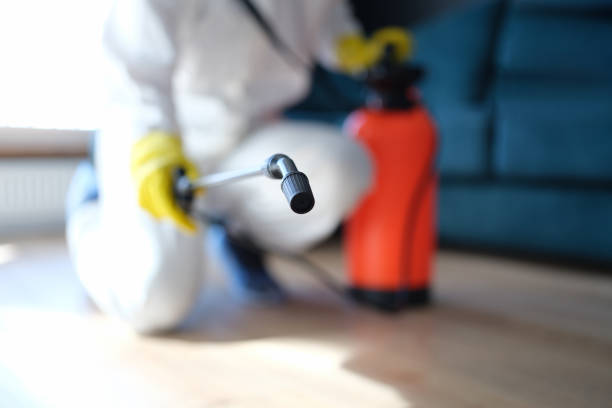
Pests can invade your home or business, often without you realizing the extent of the problem until it’s too late. Identifying early warning signs not only prevents damage but also saves you from costly treatments later. Below are the top 10 signs that it may be time to call a professional pest control service.
One of the clearest indicators of a pest problem is spotting droppings or fecal matter. Rodents, cockroaches, and other pests leave these behind as they move through your property. Always take note of their size and quantity to help identify the pest species.
Hearing scratching, rustling, or scurrying sounds in walls, ceilings, or attics is often a sign of rodents like rats or mice. These noises are usually more noticeable at night when pests are most active.
Rodents have a constant need to chew to keep their teeth sharp and manageable. Chewed wires, furniture, or even food packaging are telltale signs of an infestation.
Finding shredded paper, fabric pieces, or other materials grouped together could indicate that pests like rodents have built nests on your property.
Spotting an unusual number of dead insects in places like window sills or near light fixtures might suggest an infestation somewhere inside your home.
| Pest Type | Likely Nesting Area | Common Signs |
| Rodents | Walls/Attics | Droppings & gnaw marks |
| Termites | Wooden structures | Hollow-sounding wood |
| Cockroaches | Kitchens/Bathrooms | Fecal matter & egg cases |
Many pests are nocturnal and prefer to stay hidden during daylight hours. Seeing live cockroaches, ants, or rodents out in the open during daytime suggests a severe infestation that requires immediate attention.
Pests can produce distinct odors due to urine, droppings, or decaying bodies trapped within walls and crawlspaces.
– A musty smell may indicate cockroaches. – Ammonia-like odors could mean rodent urine. – Rotting smells might point toward dead animals within your property.
Outdoor pests such as aphids, caterpillars, and beetles can wreak havoc on gardens by chewing through leaves and stems.
Key Indicators:
– Wilting plants despite proper watering. – Holes chewed into foliage. – Sticky residue on leaves (a sign of sap-sucking insects).
If you’ve tried store-bought sprays or traps but notice no improvement—or worse—more pests appearing afterward, it’s likely time for professional help.
Termites are notorious for causing severe damage to wooden structures over time by burrowing through beams and floors undetected until significant harm has been done.
Warning Signs Include: – Sagging floors – Hollow-sounding wood – Cracks in paint caused by termite tunnels beneath surfaces
If you notice one or more of these signs in your home or business, contacting a licensed pest control company is essential for proper diagnosis and treatment tailored to your situation. Early intervention minimizes risks while ensuring long-term protection against further infestations.
DIY vs. Professional
When it comes to managing pest infestations, homeowners are often faced with a critical decision: should they tackle the problem themselves or hire professional pest control services? While both approaches have their merits, several factors should be considered when determining the best option for your home. Below, we break down key aspects of DIY and professional pest control to help you make an informed choice.
DIY pest control may appeal to homeowners who prefer a hands-on approach or wish to save money.
- Cost-Effective Solutions: Over-the-counter pesticides and traps are often less expensive upfront than hiring professionals.
- Quick Accessibility: DIY products are readily available in local stores and online, allowing you to address minor infestations promptly.
- Control Over Methods: With DIY solutions, you can experiment with various methods that suit your preferences or ethical considerations (e. g. , eco-friendly options).
- Learning Experience: Managing pests yourself can teach you valuable skills about prevention and detection.
However, there are limitations to DIY solutions that homeowners should keep in mind.
Finding the Best Exterminator Largo FL for Your Pest Control Needs
While cost-effective and convenient for smaller problems, DIY methods might not always be sufficient for larger infestations or complex issues.
| Challenge | Explanation |
| Limited Effectiveness | Store-bought products may not work against severe or well-established infestations. |
| Safety Concerns | Improper handling of chemicals can pose risks to pets, children, and the environment. |
| Lack of Expertise | Misidentifying pests or their source can result in ineffective treatments. |
| Time Investment | Extensive research and regular monitoring may be required for sustained results. |
Benefits of Professional Pest Control Services Largo FL
Professional pest control services offer expertise that ensures long-term results while minimizing risks associated with handling hazardous chemicals improperly.
- Thorough Inspection & Identification: Experts can correctly diagnose the type, source, and severity of your infestation.
- Specialized Tools & Treatments: Professionals use industry-grade products and advanced techniques unavailable in retail stores.
- Customized Plans: A tailored treatment plan addresses specific issues in your home while considering environmental factors.
- Long-Term Prevention: Many companies provide follow-up visits or warranties to ensure pests do not return.
When Should You Opt for Professional Services?
- Large-scale infestations (termites, bedbugs) where pests multiply rapidly.
- Health-related risks from pests like rodents or cockroaches.
- Structural damage caused by wood-destroying insects such as termites.
- Persistent problems despite repeated attempts at using store-bought remedies.
Making the Decision
| Factor | When to Choose DIY | When to Choose Professionals |
| Infestation Size | Minor/localized | Severe/widespread |
| Budget Constraints | Limited funds | Willingness to invest in long-term results |
| Time Availability | Flexible schedule | Limited time |
| Knowledge/Experience | Familiarity with safe practices | Prefer expert handling |
Ultimately, addressing household pests effectively requires weighing costs against benefits while considering safety and long-term prevention goals.
DIY vs. Professional
When it comes to pest control, homeowners are often faced with a critical decision: Should they handle the problem themselves or call a professional pest control service? Both approaches have their advantages and drawbacks, depending on factors such as the type of infestation, budget, severity of the problem, and long-term goals. Below is a detailed comparison to help you make an informed choice.
Pros and Cons of DIY Pest Control
Advantages:
– Cost-Effective: DIY methods typically involve purchasing over-the-counter sprays, traps, or baits, which are usually less expensive than hiring professionals.Immediate Action: You can address minor pest issues quickly without waiting for an appointment.Control Over Products Used: You choose the chemicals or natural remedies used in your home.
Disadvantages:
– Limited Knowledge: Without proper training, it’s easy to misidentify pests or underestimate the severity of an infestation.Ineffectiveness for Severe Infestations: DIY solutions often fall short when dealing with large-scale infestations such as termites or bed bugs.Health Risks: Incorrect handling of pesticides can pose health risks to humans and pets.
Pros and Cons of Professional Pest Control
Advantages:
– Expert Knowledge and Training: Professionals are skilled in identifying pests accurately and applying targeted treatments.Comprehensive Solutions: They offer long-term prevention plans rather than just addressing surface-level issues.Access to Specialized Tools and Products: Professionals use equipment and chemicals not available to the general public, resulting in more effective pest eradication.
Disadvantages:
– Higher Cost Upfront: Professional services often require a larger financial commitment initially.Schedule Dependency: Services may require you to wait for availability based on their schedule.Chemical Use Concerns: Some homeowners worry about exposure to certain pesticides used by professionals.
Factors to Consider When Choosing Between DIY and Professional Solutions
| Factor | DIY Pest Control | Professional Pest Control |
| Severity of Infestation | Suitable for small-scale problems | Essential for large-scale infestations |
| Cost | Low initial cost | Higher upfront cost |
| Time Commitment | Requires personal time investment | Saves time with expert handling |
| Safety | Potential health risks if mishandled | Safer due to trained application |
Combining Both Approaches
In some cases, a hybrid approach may be best. For example: 1. Use DIY methods like traps or natural repellents for minor issues while monitoring whether pests return. 2. Call in professional services for regular inspections or when signs indicate a growing infestation (e. g. , termite damage).
By evaluating your specific situation carefully, you can select an approach tailored to your needs while maintaining a healthy living environment.

Preventing Common Pest Infestations: Tips for a Safer and Cleaner Environment
By taking proactive steps to deter infestations, you can avoid the inconvenience, health risks, and property damage that pests can cause. Below are practical tips and insights to help prevent common pest problems.
Maintain Cleanliness in Your Environment
Pests thrive in areas where food, water, and shelter are readily available. By maintaining cleanliness in your home or workplace, you remove the conditions that attract them.
– Kitchen hygiene:
– Empty garbage bins frequently and keep them sealed with tight-fitting lids.
- Clean pet feeding areas immediately after use to avoid attracting rodents or insects.
Seal Entry Points
Pests often enter buildings through small cracks and openings around doors, windows, or utility lines.
– Inspect exterior walls for gaps around pipes, vents, or cables and seal them with caulk or foam insulation.
– Install weather stripping around doorframes and windowsills to close off gaps that allow entry for insects like spiders or even larger intruders such as mice.
| Common Entry Point | Effective Solution |
| Cracks in foundation | Use concrete filler |
| Gaps under doors | Install door sweeps |
| Holes near utility lines | Apply silicone caulk |
Eliminate Standing Water Sources
Standing water provides a breeding ground for mosquitoes and creates moisture-rich environments preferred by many pests like termites or silverfish.
– Fix leaking faucets or pipes promptly. – Ensure proper drainage around your home’s foundation. – Empty items like flower pot saucers, buckets, or outdoor toys that collect rainwater.
Regular Landscaping Maintenance
Unkempt yards can be an open invitation for pests.
– Trim shrubs away from exterior walls to prevent direct contact with potential pest harborage areas. – Remove piles of wood, leaves, or other organic debris where rodents and insects may nest. – Keep grass well-manicured to reduce hiding spots for crawling insects.
Store Items Properly
Improper storage practices can attract pests into less-used spaces like basements, attics, garages, or pantries: – Use plastic bins instead of cardboard boxes when storing items long-term. – Elevate stored goods off the floor using shelves to discourage nesting.
Schedule Routine Inspections
Even with preventive measures in place, it’s wise to conduct regular inspections of your home: 1. Look out for common signs of infestation (e. g. , droppings, gnaw marks). 2. Monitor high-risk areas such as attics/basements quarterly. 3. Call professionals if you notice any concerning signs early on.
By implementing these preventative strategies consistently over time — from eliminating food sources to blocking entry points — you’ll create an environment that’s less inviting for unwanted pests while promoting safety within your property.
How Professional Pest Control Can Save You Time, Money, and Stress
Dealing with pests is not only inconvenient but also time-consuming and potentially costly if not addressed effectively. Engaging professional pest control services can provide a more efficient and long-term solution compared to attempting to handle infestations on your own. Below, we explore how relying on experts can save you time, reduce expenses, and alleviate the stress associated with pest problems.
Saving Time Through Expertise
One of the key advantages of hiring professional pest control services is their ability to quickly identify and resolve issues.
– Diagnose infestations promptly: Experts can pinpoint the type of pest, assess the level of infestation, and recommend appropriate treatments faster than a DIY approach.
– Use tailored treatment plans: Professionals apply precise methods suited to your specific infestation type, ensuring faster resolution.
– Prevent repeat treatments: Their specialized knowledge helps address root causes, reducing the need for frequent re-applications.
In contrast, DIY strategies often involve trial-and-error efforts that consume valuable time without guaranteeing results.
Financial Benefits of Professional Pest Control
While hiring professionals may seem like an upfront expense, it often proves cost-effective in the long run due to several factors:
1.Prevention of structural damage: Certain pests like termites or rodents can cause significant damage to property over time. Professionals tackle infestations early before costly repairs are needed.
2.Efficient use of resources: Instead of purchasing multiple over-the-counter products that may not work effectively, professionals use proven solutions tailored to your problem.
3.Reducing health risks: Pests such as cockroaches or rodents carry harmful bacteria that can lead to medical expenses if left unchecked. Proper control mitigates these risks.
| Approach | Upfront Cost | Long-Term Cost (including damages) | Effectiveness |
| DIY Pest Control | Low | High (due to potential property damage) | Varies |
| Professional Pest Control | Moderate | Low | High |
Stress Reduction Through Effective Solutions
Pest infestations can be overwhelming due to their impact on hygiene and comfort within your home or business.
– Comprehensive inspections: Experts thoroughly assess your property for current and potential problems.Customized treatment plans: Tailored solutions ensure better outcomes with minimal disruption to daily life.Peace of mind: Knowing that experienced technicians are handling the issue allows homeowners and business owners alike to focus on other priorities.
Long-Term Prevention Strategies
Another advantage professionals offer is their ability to implement preventive measures that safeguard against future infestations, such as: – Sealing entry points like cracks or gaps around windows and doors. – Providing advice on proper storage practices for food and waste management. – Using environmentally friendly treatments that deter pests while protecting surrounding ecosystems.
By investing in professional pest control services, you gain access to expertise that not only eradicates current infestations but also prevents recurring issues—all while saving you valuable time, money, and reducing unnecessary stress levels in maintaining a safe environment for everyone involved.
Top Mistakes to Avoid When Dealing With Pest Problems in Your Property
Addressing pest problems requires careful planning and execution to ensure the issue is resolved effectively. Unfortunately, many property owners unknowingly make mistakes that can exacerbate the situation or lead to recurring infestations. Below are some common errors to watch out for and tips on how to avoid them.
Neglecting Early Warning Signs
One of the biggest mistakes people make is ignoring the early signs of a pest infestation. Delaying action allows pests to multiply, making the problem more severe and harder to resolve.
Signs of early pest activity include:
– Unusual droppings or stains on surfaces
– Chewed wires, furniture, or food containers
– Strange noises in walls or ceilings (e. g.
– Unpleasant odors from hidden nests or infestations
Regularly inspect your property for these indicators and contact a professional promptly if you notice anything unusual.
Overreliance on DIY Methods
While do-it-yourself pest control techniques may seem cost-effective, they often fail to address the root cause of infestations. Many DIY solutions offer only temporary relief and may even worsen the situation by driving pests deeper into hard-to-reach areas.
Why professional services are more effective:
| DIY Pest Control | Professional Pest Control |
|——————————–|—————————————|
| Provides short-term solutions | Targets root causes for long-term results |
| Limited product knowledge | Uses specialized treatments |
| Risk of incorrect application | Licensed experts ensure safe practices |
Using Incorrect Products or Techniques
Applying pesticides improperly can pose health risks to humans, pets, and plants while failing to eradicate pests effectively. Overuse of certain chemicals can also lead to pesticide resistance among pests over time.
Tips for safe product use:
– Always read and follow label instructions carefully. – Avoid using outdoor pesticides indoors. – Store chemicals out of reach from children and pets. – If unsure about product selection, consult with a licensed exterminator.
Failing To Seal Entry Points
Pests often enter through small cracks, holes, or gaps around windows, doors, foundations, and utility lines. Ignoring these vulnerabilities leaves your home open for future infestations.
Steps to seal entry points effectively:1. Inspect the exterior of your property for gaps. 2. Use caulk or foam sealant for small cracks. 3. Install weatherstripping under doors. 4. Place mesh screens over vents and chimneys.
Not Scheduling Regular Inspections
Even after resolving an infestation, ongoing prevention is crucial in keeping pests at bay. Skipping routine inspections can lead to unnoticed reinfestations over time.
Benefits of regular inspections:– Early detection prevents costly damage. – Ensures long-term pest management success. – Maintains a safe living environment year-round.
By avoiding these common pitfalls when handling pest issues in your property, you’ll save time, reduce stress, and safeguard your space against future invasions effectively.
- Signs That You Need Pest Control Largo FL for Flea Extermination Immediately
- Effective Pest Removal in Largo FL: Why DIY Isn’t Always the Best Option
- Early Warning Indicators You Need a Largo FL Pest Control Company to Protect Your Home
- Effective Largo FL Pest Control Company Solutions to Protect Your Home
- Signs You Need Professional Pest Control Largo FL Services to Protect Your Home
- When to Call a Largo FL Pest Control Company for Effective Solutions